
The quick answer
- Start with the number of people using the site at its busiest, then allow for the hours each person stays.
- Plan the unit mix around guest access needs, existing restroom access and whether food or drink will be served.
- Discuss service visits and truck access for the full rental period, especially when attendance or crew size changes.
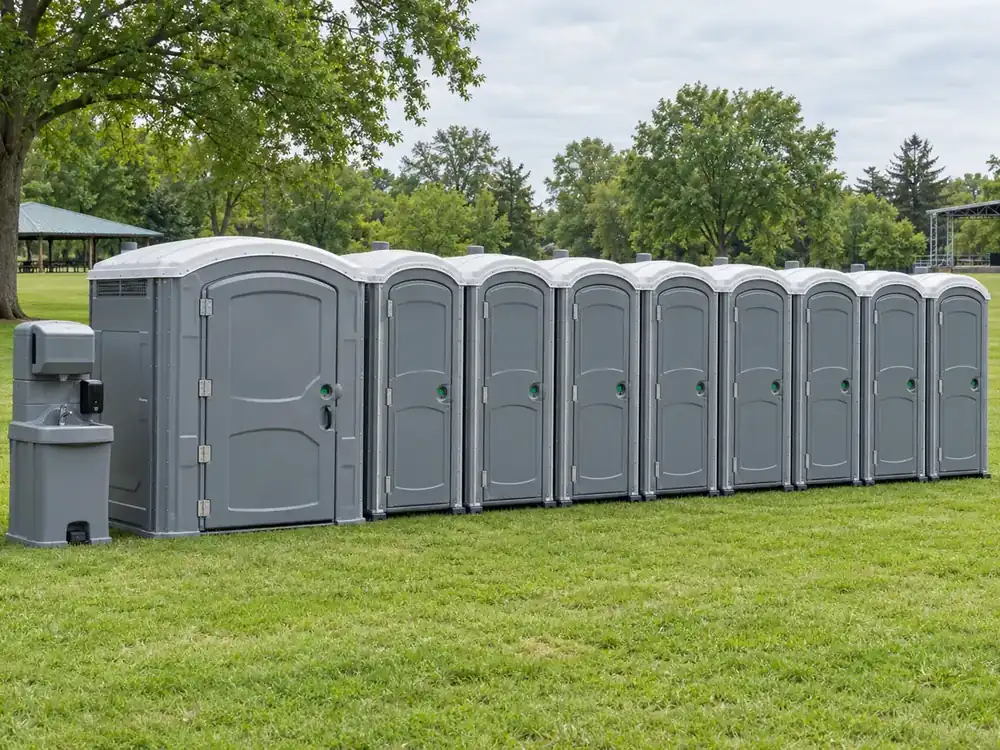
Plan the Unit Count Around People and Hours
The starting count depends on the busiest attendance and how long those people stay. Your service pro sets the final number once the number of people, hours and food or drink are known. Share an expected turnout during the call, even when attendance is still changing. Include staff, vendors and anyone remaining for setup or pack-down.
A Small Crew Needs Access Throughout the Shift
A small crew needs a restroom arrangement that follows the working day. Plan the unit mix and a hand-wash station together, then discuss a spot workers can reach without crossing active equipment routes. Call with shift lengths and the expected overlap between trades.
For portable toilets for construction sites, use worker sanitation rules rather than an event attendance formula. OSHA's construction sanitation rule bases its toilet facilities table on employee count. Discuss the Michigan requirements with the contractor's safety lead using the job-site rules page.
A Weekend Event Needs a Plan for Peak Use
A weekend event needs planning around the busiest period, including breaks when guests reach the toilets together. Begin with the unit mix, accessible approach and hand washing. Discuss how long the line could become during meal breaks rather than relying only on the total attendance across the weekend.
Call with opening hours and the food or drink plans. Ask your service pro to explain service visits between event sessions and the truck route during those visits. Keep that route separate from guest queues and loading activity.
A Wedding Needs the Full Guest Schedule
A wedding needs restroom planning for the ceremony, reception and the people working around them. Choosing a portable toilet for a wedding starts with the guest count and the length of the celebration. When arranging portable toilet services for a wedding, include catering staff and the people setting up the venue.
Portable toilets for a wedding reception should be planned around meal service and the time guests stay afterward. For portable toilets for outdoor weddings, discuss the route from gathering areas to the doors, including access needs and hand washing. Call with the schedule; the layout can be discussed as plans develop.
A Months-Long Build Needs Room for Changes
A months-long build needs a rental plan that changes with the workforce and site layout. Start with the busiest expected shift, then discuss the unit mix, washing facilities and service visits across construction phases. Explain where materials, fencing and vehicle movements could affect access.
Call when the project schedule takes shape. One of our local portable restroom partners will explain how the proposed unit count, rental period and service arrangements affect the scope and price before placement is arranged.
Planning Questions for Each Situation
Each situation needs a count of people, a use period and a workable access plan.
| Situation | Attendance and timing | Placement and service discussion |
|---|---|---|
| Small crew | Who shares the busiest shift? | Where can workers reach toilets and hand washing? |
| Weekend event | When will attendance and queues peak? | How will guests and service trucks use separate routes? |
| Wedding | Who stays from preparation through the reception? | What unit mix and accessible approach suit the layout? |
| Months-long build | How will trades and shifts overlap? | When should placement and service visits be reviewed? |
Safe Placement Supports the Rental Plan
Units need firm, level ground away from traffic, equipment and overhead lines. Discuss accessible units and the route to them during the call; the ADA Standards address clustered portable toilets in the toilet-room provisions. Your delivery pro should handle placement changes. Never move, tip, lift or climb on a unit. Leave waste handling to your service pro, who arranges service visits. Call to report a damaged unit or blocked approach.