
Commercial · Contractors and managers
Commercial Portable Toilet Rental in Detroit, MI
Our local portable restroom professionals arrange commercial rentals in Detroit around the headcount and duration at each location. Call with a steady crew, several sites or a seasonal account, and a restroom professional takes the planning forward.
- Calls answered 24/7
- Contractors, schools and event companies
- Serving Detroit and nearby
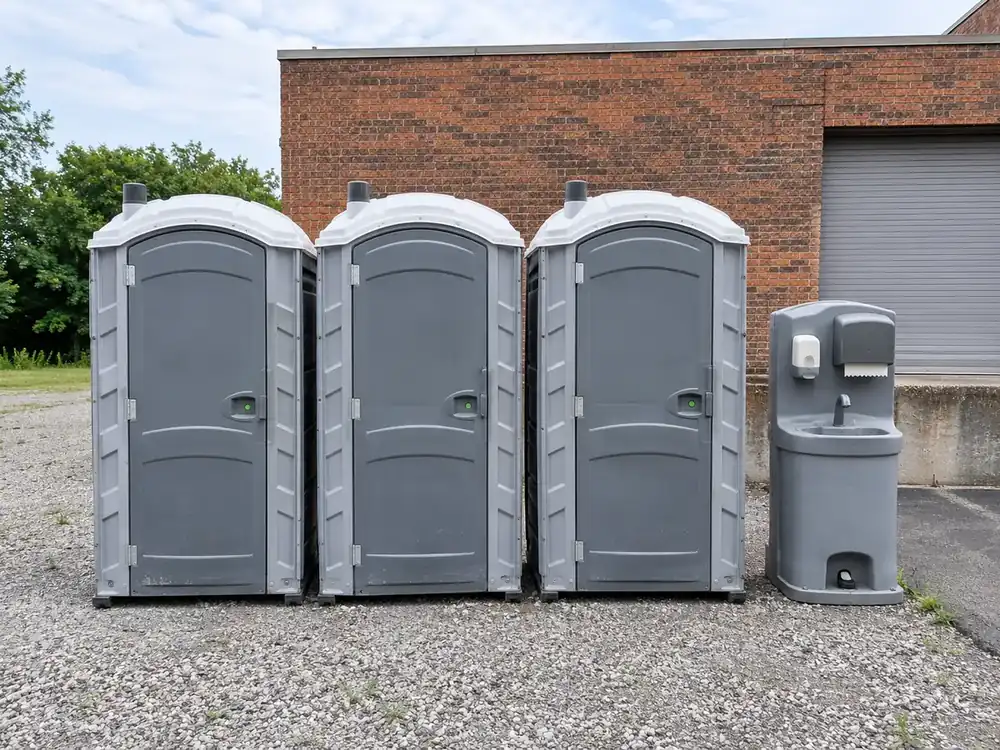
Commercial Restroom Planning for Detroit Organizations
- General contractors and builders: Plan portable restrooms for contractors around each crew's working hours and the changing phases of construction.
- Property managers: Portable toilet rental for property managers starts with the tenants, maintenance workers and visitors using the property during building work.
- Plants and warehouses: Match the restroom plan to shift attendance, the expected rental duration and a service route separated from loading activity.
- Schools and parks departments: School portable restroom rental and seasonal field programs need plans for staff, public attendance, accessible units and hand washing.
- Event companies: Build a rental plan around expected attendance at each account, event length and the space needed for delivery and service access.
- Film and TV productions: Film set portable restrooms need planning for cast and crew, location changes and routes clear of production activity.
Plan Each Account Around People and Duration
- A steady crew at a single site: During the call, discuss the crew size, shift pattern and likely project length alongside standard units, accessible options and a hand-wash station. Plan firm, level placement away from traffic, equipment and overhead lines.
- Several sites under a contractor: Give each location its own crew count and dates, with a named account contact; one call starts planning for service visits across the sites and records for the project manager.
- A facility with regular attendance: Plan around staff using the premises during repairs or alterations, then discuss restroom trailers for a larger number of people, the placement area and separation from vehicle movements during the call.
- A seasonal school or park program: Attendance changes across the season, so use the call to outline opening dates, busy periods, public access and the point when the rental should end.
- A project with a changing crew size: Share expected staffing increases, location moves or a phased finish during the call so your service pro plans additions, swaps or removals alongside the rental schedule.
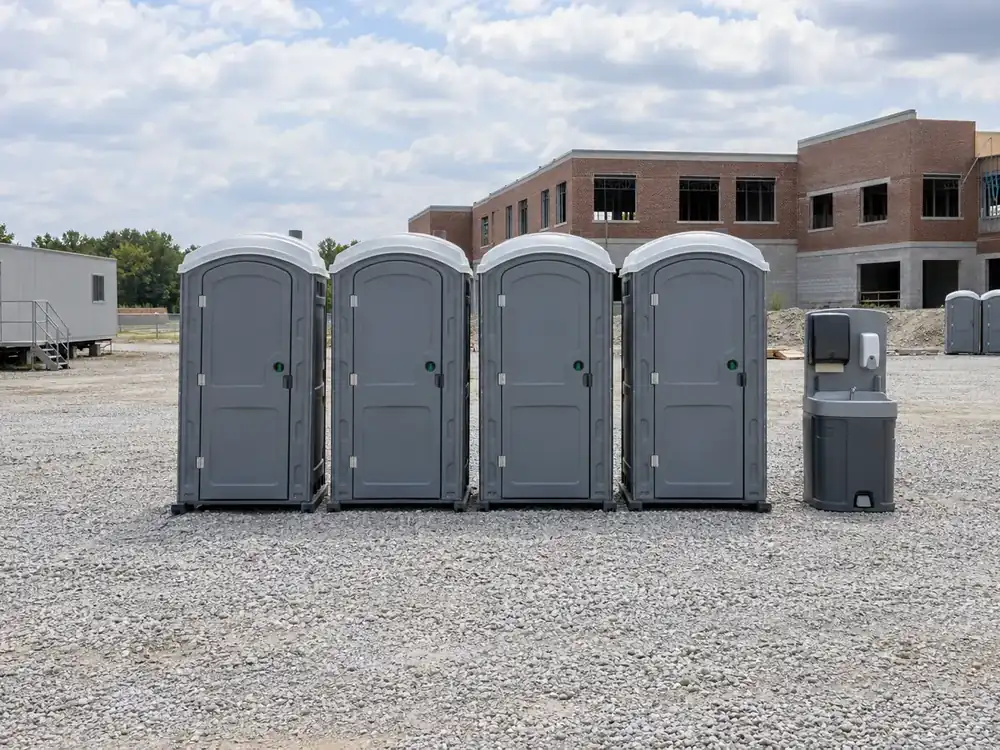
Service Plans for Steady and Changing Accounts
Match the account plan to crew size, duration and how the sites change.
| Option | When it fits | What it involves |
|---|---|---|
| One-site rental | A steady crew or facility attendance throughout the work | Plan the unit mix, hand washing, placement area and service visits around use at that location. |
| Several sites under one contact | A manager coordinates crews at separate addresses | Discuss an account contact, individual site requirements, service schedules and records organized by location. |
| Seasonal program | Parks, farms or school fields open for a season | Outline opening and closing dates, attendance peaks and access arrangements across the program. |
| Changing crew size | Staffing rises, falls or shifts between work areas | Plan how units will be added, swapped or pulled as the work progresses. |
Your service pro sets the account plan once the locations and number of people are known.
How Commercial Restroom Rental Planning Works
- Call with the site addresses, number of people at each location and rental dates. Describe the project phases and who should receive account records.
- Your local restroom professional takes the account forward, using the different crew sizes and durations to shape a plan for each location.
- Your service pro discusses the unit mix, placement pad and truck route at every site, with the scope and price explained before arrangements are set.
- Plan with your service pro for delivery, service visits, agreed moves or additions and final removal. Discuss sending rental records to the project manager or owner.
Rental Records for Managers and Owners
Keep a written record of the units, locations and rental activity so managers can follow the account as crew sizes change.
- Written scope: Retain the agreed unit mix and the site addresses attached to each part of the account.
- Placement and removal dates: Record when units were set, relocated and taken away, with the location noted beside each entry.
- Service visit dates: Keep the visit information your service pro shares with the account contact.
- Site log: Use a separate entry for each location to track crew size changes and requests discussed during the rental.
Commercial Restroom Cost Factors in Detroit
- Sites and attendance: The people using each location shape the number and mix of units to plan.
- Rental dates and duration: Project length, seasonal dates and weekend or holiday use affect the account scope.
- Service visits: Discuss expected use and additional visits as staffing changes.
- Access and conditions: Delivery distance, the truck route and winter planning belong in the site discussion.
- Changes during work: Adding units or relocating them changes the arrangements to review.
One of our local portable restroom partners explains the account scope and price before the rental is arranged; the rental cost factors page covers the planning details.
Why Contractors and Property Managers Call
- Calls answered 24/7: Start the account conversation when project planning needs attention, with the number of people, sites and expected duration discussed during the call.
- An account starts with a call: One of our local portable restroom partners discusses a single location, several contractor sites or a seasonal program when you call the same number.
- Planning by location: Discuss unit types and hand washing against the people using each site, together with the placement area and truck access.
- Scope and records: Talk through the scope and price before arrangements are set, along with the written rental details the project manager or owner needs to retain.
Workplace and Public Restroom Rules in Michigan
What the rules say
Workplace sanitation rules protect workers by requiring access to toilet facilities, as MIOSHA's sanitation FAQ explains.
The Michigan State Plan covers most private workplaces and state and local government employment. OSHA's construction sanitation rule addresses toilet provision and washing facilities; Michigan's construction toilet-access guidance describes the state requirement for accessible facilities without unreasonable restrictions. Your contractor's safety lead or MIOSHA answers workplace-rule questions.
For units the public uses, the ADA Standards, section 213.2 address toilet facilities and clustered portable units. Discuss food-service hand washing with the county health office; Washtenaw County lists temporary-food requirements.
Property placement also needs local review: Redford Township's Building and Safety office handles building permits and ordinance enforcement, while the Road Commission for Oakland County publishes the application process for work in its road right-of-way. Call now to discuss the rental; address applicable permissions before placement.
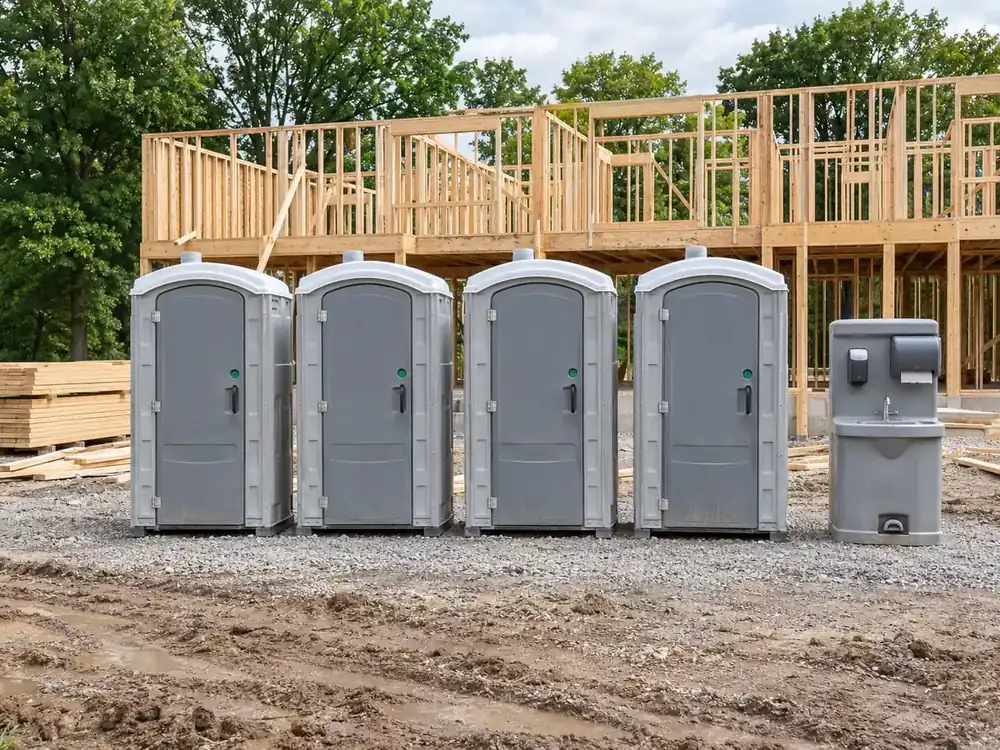

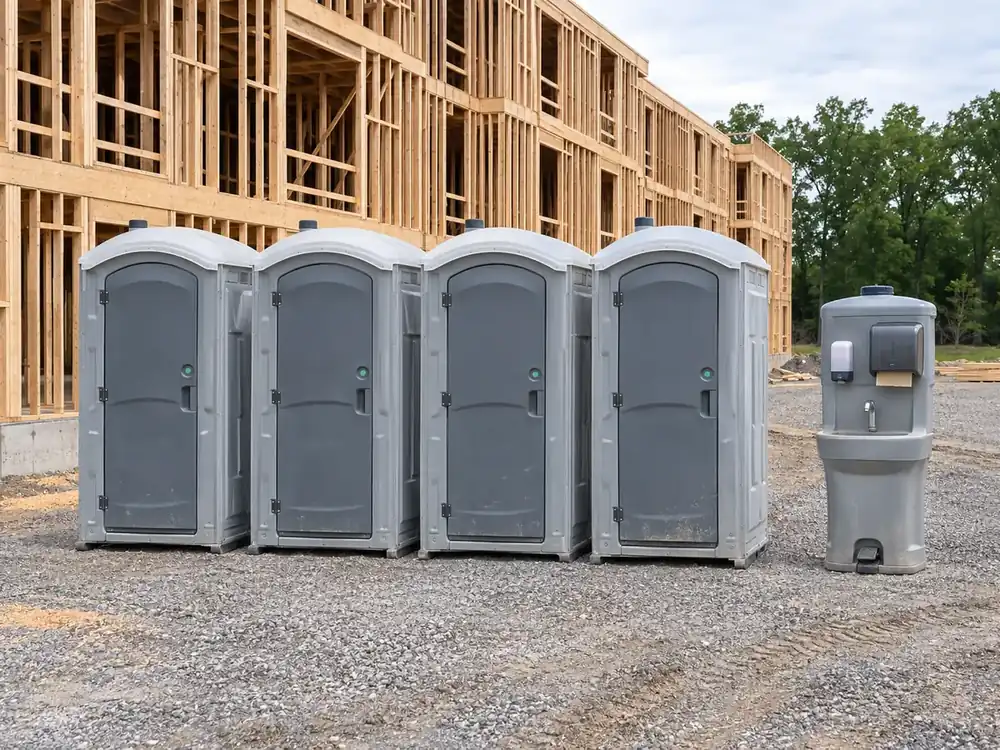
Commercial Restroom Rentals Across Metro Detroit
Contractors, school managers and event companies around Detroit, Livonia and Ann Arbor can call with the number of people and duration at each account to discuss commercial restroom arrangements.
Commercial Portable Restrooms FAQs
Can I call the same number about an account and an occasional rental?
Yes, calls to the same number cover commercial accounts and one-off rental requests. A steady crew at a facility and a separate event can be discussed together. Call with the number of people and duration for each, and outline the locations, account contact and records you want your service pro to address in the plan.
Which types of organizations call about commercial restrooms?
Contractors, property managers, plant and warehouse managers, schools, parks departments and event companies call about commercial rentals. Film and TV productions also need restroom planning around their crew size. The useful starting point is how many people use the site, for how long and whether workers, visitors or both need facilities.
How does planning work when an account has several sites?
Each location needs a plan based on its own number of people, dates and access, with an account contact coordinating the details. Discuss addresses and project phases in the same call. Your service pro talks through the unit mix and service arrangements at each site, along with how to organize rental records for the manager.
What happens when a crew grows or moves to another work area?
A change in crew size or location starts a review of unit numbers, placement and service visits with your service pro. Call when the project plan changes so additions, swaps, moves or removals are discussed. Leave units in place for the service pro; never move, tip, lift or climb on a unit yourself.
What rental paperwork should a manager arrange to receive?
Discuss a written scope, placement and removal dates, relocation details and the service visit dates your service pro shares. For several sites, request records organized by address. Keep those details with a site log so the owner or project manager can follow changes to the number of people and rental arrangements.
Which account details affect commercial portable toilet rental costs?
Site count, unit quantities, number of people, rental duration, service visits and delivery access affect the scope and cost. Dates and unit changes also matter. A facility with steady use needs a different plan from an event account moving between locations, so discuss each site's requirements when you call about the account.
For a steady crew or several accounts, call now to discuss commercial portable restrooms by site, crew size and rental duration.
Call (313) 379-8238